Complete Water Softener Services
Installation, Repair & Maintenance in Blue Springs, MO & Overland Park, KS
Schedule Service TodayYour Complete Water Softener Solution
Hard water is one of the most significant problems facing homeowners in Blue Springs, MO, Overland Park, KS, and throughout the Kansas City metro area. Our water contains high concentrations of calcium and magnesium that cause extensive damage to plumbing systems, reduce appliance efficiency and lifespan, create cleaning challenges throughout your home, and impact daily comfort. The costs of hard water—from premature appliance replacement to increased utility bills—far exceed the investment in proper water softening.
Dragonfly Mechanical provides comprehensive water softener services to protect your home from hard water damage. Whether you need a new softener installed, repairs on an existing system, regular maintenance to keep your softener operating efficiently, or expert advice on upgrading to a more efficient system, our experienced technicians deliver quality service backed by extensive knowledge of water treatment systems and Kansas City area water conditions.
We work with all major brands, recommend systems sized appropriately for your household, complete professional installations that comply with all codes, provide expert repairs when problems occur, and offer ongoing maintenance to ensure years of reliable operation. Our goal is not just to sell you a water softener—it's to provide the right solution for your specific needs and ensure it operates efficiently for decades.
Signs You Need Water Softener Service
- Hard Water Problems
Spotty dishes, soap scum, scale buildup, and difficulty cleaning indicate you need a water softener or your existing system needs repair. - Appliance Problems
Reduced water heater efficiency, dishwasher spotting, washing machine leaving clothes dingy, or appliances failing prematurely point to hard water damage. - Softener Not Working
Hard water symptoms returning despite having a softener indicate system malfunction requiring professional diagnosis and repair. - Old System
Water softeners over 12-15 years old may benefit from replacement with modern, efficient systems that save water and salt. - Excessive Salt Use
Softeners using too much salt or not using salt properly indicate control problems, incorrect settings, or resin bed failure. - Water Pressure Loss
Reduced water pressure when the softener is in service suggests internal clogging, valve problems, or system failures requiring professional service.
Need Water Softener Service?
Complete Water Softener Services
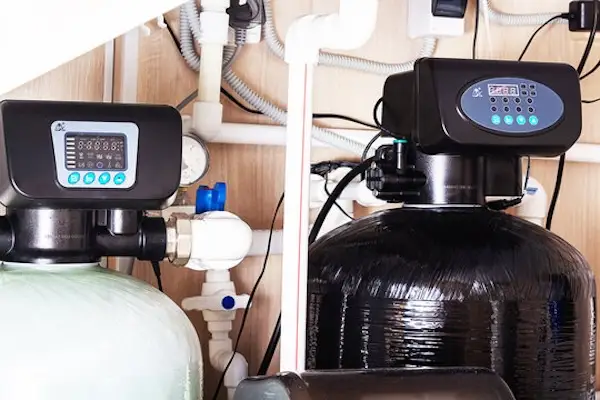
Dragonfly Mechanical provides comprehensive water softener solutions for homeowners throughout Blue Springs, MO, Overland Park, KS, and the Kansas City metro area.
New Softener Installation
Professional water softener installation services provide comprehensive system design, selection, and installation tailored to your home's specific water chemistry and usage requirements throughout Blue Springs and Overland Park.
Our certified technicians begin with detailed water testing using calibrated equipment to measure hardness levels, iron content, pH values, and other factors affecting system performance. We perform capacity calculations based on household size, water usage patterns, and peak demand requirements to ensure proper system sizing for optimal efficiency.
Installation includes precision plumbing connections using corrosion-resistant fittings, drain line installation meeting municipal codes with proper air gaps and backflow prevention, bypass valve integration for system maintenance accessibility, and electrical connections for digital controls with GFCI protection.
Each installation features comprehensive system programming including regeneration scheduling optimization, salt dosage adjustment for water hardness levels, and control calibration for maximum efficiency while minimizing salt and water consumption. We provide complete commissioning with performance testing, water quality verification, and homeowner education on system operation and maintenance requirements.
Repair Services
Comprehensive water softener repair services address all system malfunctions and component failures using advanced diagnostic techniques and premium replacement parts to restore optimal performance and reliability.
Our certified technicians repair control valve failures including stuck pistons, worn seals, and electronic component malfunctions affecting regeneration timing and water flow direction. We resolve regeneration system problems such as brine draw failures, clogged venturi injectors, timer mechanism issues, and cycle sequencing errors that prevent proper resin bed recharging.
Additional services include resin bed cleaning and replacement for exhausted ion exchange media, salt bridge and mushing removal using specialized techniques that prevent tank damage, leak detection and repair for cracked tanks or failed seals, and water pressure restoration through screen cleaning and flow path optimization.
Emergency repair services provide quick response for critical failures affecting water supply, utilizing mobile service vehicles equipped with common replacement parts and diagnostic equipment. Each repair includes comprehensive system testing, performance verification, and preventive maintenance recommendations to extend system life throughout Blue Springs and Overland Park installations.
Maintenance Programs
Comprehensive water softener maintenance programs ensure peak system performance, extend equipment lifespan, and prevent costly repairs through systematic inspection, cleaning, and optimization procedures performed by certified water treatment specialists.
Our annual maintenance includes thorough brine tank cleaning with sediment removal, inspection for cracks or corrosion, and sanitization using approved cleaning solutions. We perform resin bed evaluation using conductivity testing and visual inspection to assess ion exchange capacity, followed by specialized cleaning procedures to remove iron fouling, organic buildup, and bacterial contamination that reduces efficiency.
Control valve service includes lubrication of moving parts, seal inspection and replacement, timer calibration, and electronic component testing to ensure proper cycle sequencing and regeneration timing. Additional services include water quality testing to verify hardness removal efficiency, system settings optimization for changing water conditions, drain line inspection and cleaning to prevent blockages, and comprehensive performance documentation.
Our maintenance program includes emergency service priority, parts discounts, and detailed service records that enhance system reliability throughout Blue Springs and Overland Park homes.
System Replacement
Professional water softener system replacement services provide complete removal and disposal of outdated equipment followed by installation of modern, energy-efficient systems designed for superior performance and decades of reliable operation.
Our replacement process begins with comprehensive evaluation of existing system problems, water quality changes, and household requirements to determine optimal new system specifications. We coordinate complete removal of old equipment including safe disconnection of plumbing and electrical connections, proper disposal or recycling of components according to environmental regulations, and site preparation for new installation.
New system installation utilizes advanced technology including high-efficiency resin beds with increased capacity, digital control valves with programmable regeneration cycles, and corrosion-resistant components designed for extended service life.
Installation procedures include plumbing upgrades when necessary for improved flow capacity, drain line modifications meeting current code requirements, electrical connections with enhanced safety features, and comprehensive system commissioning with performance optimization. Each replacement includes warranty coverage, system registration, and detailed homeowner education on advanced features and operation throughout Blue Springs and Overland Park installations.
Resin Bed Replacement
Professional resin bed replacement services restore your water softener's ion exchange capacity using premium-grade cation exchange media designed for maximum hardness removal efficiency and extended operational lifespan.
Our certified technicians perform comprehensive resin evaluation using conductivity testing and visual inspection to confirm degradation from iron fouling, chlorine damage, or organic contamination requiring replacement.
The replacement process includes safe removal of exhausted resin using specialized vacuum equipment to prevent environmental contamination, thorough mineral tank cleaning with acid wash solutions to eliminate accumulated deposits and bacterial growth, and precision installation of fresh high-capacity resin media with proper bed depth calculations and settling techniques.
We utilize 8% cross-linked styrene divinylbenzene resin beads with uniform mesh sizing for optimal flow characteristics and regeneration efficiency, ensuring consistent performance for 10-15 years of reliable service.
Installation procedures include distributor screen inspection and replacement, underdrain system verification, freeboard spacing optimization for backwash expansion, and comprehensive system recommissioning with control valve recalibration, regeneration optimization, and performance testing to verify complete hardness removal throughout Blue Springs and Overland Park installations.
Water Testing & Analysis
Comprehensive water quality testing and analysis services provide detailed assessment of your home's water chemistry using state-certified laboratory methods and advanced field testing equipment to ensure optimal water softener selection, sizing, and performance optimization.
Our testing protocols include calcium and magnesium hardness measurement using EDTA titration methods for precise grain-per-gallon calculations, iron and manganese content analysis affecting system operation and requiring specialized treatment, pH level determination for corrosion potential assessment, total dissolved solids measurement indicating overall water quality, and chlorine content evaluation affecting resin bed longevity.
We also perform specialized testing for sulfur compounds causing odor problems, nitrate levels from agricultural contamination, and bacterial contamination in well water requiring disinfection. Each analysis includes detailed reporting with EPA comparison standards, water quality interpretation explaining health and aesthetic impacts, and customized treatment recommendations with system sizing calculations based on household water usage patterns.
Our testing ensures proper water softener capacity selection, identifies pre-treatment requirements for iron or acid water, and establishes baseline performance metrics for ongoing system monitoring throughout Blue Springs and Overland Park installations.
Our Installation Process
Dragonfly Mechanical follows a comprehensive process to ensure proper water softener installation that provides years of reliable service.
1Free Consultation & Water Testing
We test your water hardness and other quality parameters, discuss your household size and water usage patterns, evaluate your plumbing configuration and installation location, explain softener options and recommendations, and provide detailed estimates with no obligation. This ensures we recommend the perfect system for your needs.
2System Selection
Based on our assessment, we recommend softener systems with appropriate capacity, quality brands within your budget, efficiency features to minimize water and salt usage, and warranty coverage for peace of mind. We explain the advantages of different options so you can make an informed decision.
3Scheduling & Preparation
We schedule installation at your convenience, provide clear expectations for timing and process, confirm all materials and equipment are ready, and answer any questions before installation day. Most installations are completed in 3-5 hours with minimal disruption to your day.
4Professional Installation
Our technicians shut off water supply and drain the system, install the softener in the optimal location, connect inlet and outlet plumbing with proper bypass valves, run drain line to appropriate drainage with required air gap, make electrical connections if needed (meeting all codes), fill and backwash the system initially, program settings for your water and usage, and test thoroughly for leaks and proper operation.
5Testing & Verification
Before we leave, we test softened water hardness to verify proper operation, check all plumbing connections for leaks, verify proper water pressure and flow, demonstrate regeneration cycle operation, and ensure complete system functionality. You have soft water immediately.
6Owner Education
We thoroughly explain system operation and controls, demonstrate how to add salt and check levels, explain maintenance requirements and schedules, provide owner's manual and warranty information, and answer all questions. We want you to feel confident operating your new softener.
Why Choose Dragonfly Mechanical?
Licensed & Experienced
Our technicians are fully licensed plumbers with extensive experience in water treatment systems. We understand both the plumbing aspects and the water chemistry involved in proper softener installation and service.
Prompt, Reliable Service
We respect your time with prompt arrivals, efficient work, and clear communication. We complete installations when scheduled and respond quickly to service calls when problems occur.
Honest Recommendations
We recommend systems sized for your actual needs, not oversized units to increase sales. We provide honest assessments of repair versus replacement options and explain all choices clearly so you can make informed decisions.
All Brands Serviced
We install, repair, and maintain all major water softener brands. Whether you have a Culligan, Kinetico, GE, Whirlpool, or any other brand, we provide expert service with proper parts and expertise.
Quality Workmanship
Every installation meets or exceeds code requirements. We use quality materials, proper techniques, and test thoroughly. Our work is guaranteed, providing peace of mind that your softener is installed correctly.
Local Service
We maintain service vehicles in both Blue Springs, MO and Overland Park, KS for fast response throughout the Kansas City metro area. We're local, family-owned, and committed to serving our community.