
Sump Pump Installation & Repair
Protect Your Basement in Blue Springs, MO & Overland Park, KS
Schedule Installation TodayComprehensive Sump Pump Solutions
Your basement is one of your home's most vulnerable spaces. When heavy rains hit Blue Springs, MO or Overland Park, KS, groundwater can quickly accumulate and flood basements, causing thousands of dollars in damage, destroying belongings, creating mold problems, and compromising your foundation. A properly installed and maintained sump pump is your first line of defense against basement flooding.
Dragonfly Mechanical specializes in complete sump pump services including new installations, repairs, replacements, and battery backup systems. Our experienced technicians understand the unique challenges of Kansas City area homes, from clay soil that retains water to storm patterns that can overwhelm drainage systems. We install quality pumps sized appropriately for your basement and ensure reliable operation when you need it most.
Whether you're experiencing pump failure during a storm, planning preventive installation, or upgrading to a more reliable system with battery backup, we provide expert service backed by years of experience. We work efficiently to protect your basement, minimize disruption, and provide the peace of mind that comes from knowing your home is protected from water damage.
Signs You Need Sump Pump Service
- Standing Water in Basement
Water accumulating in your basement during or after rain indicates inadequate drainage and urgent need for sump pump installation or repair. - Pump Not Activating
If water rises in the sump pit but the pump doesn't turn on, you have a float switch or motor problem requiring immediate attention. - Unusual Noises
Grinding, rattling, or gurgling sounds indicate worn bearings, damaged impellers, or debris in the pump requiring professional service. - Running Constantly
Continuous operation means the pump can't keep up, suggesting undersizing, failure, or problems with the check valve or discharge line. - Cycling Frequently
Rapid on-off cycling indicates float switch problems, incorrect pit sizing, or check valve failure allowing water to flow back down. - Visible Rust or Corrosion
Corrosion on the pump or discharge pipes signals age and deterioration that will soon lead to failure, especially during heavy storms.
Need Sump Pump Service?
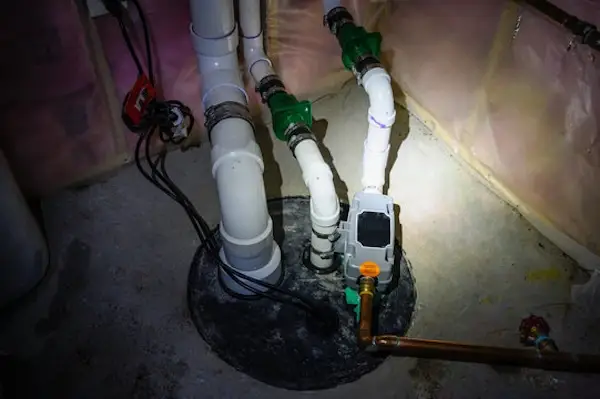
Complete Sump Pump Services
Dragonfly Mechanical provides comprehensive sump pump solutions for homeowners throughout Blue Springs, MO, Overland Park, KS, and the Kansas City metro area.
New Sump Pump Installation
Professional installation of new sump pump systems begins with proper pit excavation using diamond-tipped core drilling equipment to create precise 18-24 inch diameter pits with appropriate depth for your foundation conditions. We calculate pump sizing based on groundwater flow rates, basement square footage, and elevation requirements.
Installation includes sealed check valve installation to prevent backflow, PVC discharge piping with freeze-resistant exterior routing, GFCI electrical connections meeting NEC codes, and comprehensive system testing under simulated flood conditions. Every installation includes permits, inspections, and detailed operation instructions for homeowner confidence.
Battery Backup Systems
Installation of 12-volt DC battery backup sump pumps providing continuous protection during power outages when storms cause flooding and electrical failures simultaneously. Systems include maintenance-free AGM batteries, automatic charging systems, low-battery alarms, and high-water alerts that notify homeowners of activation.
Backup pumps operate independently with separate discharge lines, providing 8-12 hours of continuous operation during extended outages. Installation includes battery testing protocols, annual maintenance scheduling, and integration with existing primary pump systems for seamless emergency activation when your basement needs protection most.
Sump Pump Replacement
Complete replacement of failing or outdated sump pumps with modern energy-efficient models featuring improved impeller designs, corrosion-resistant materials, and enhanced float switch reliability. We assess existing pit conditions, upgrade electrical connections to current codes, and install properly-sized pumps based on updated flow calculations.
Replacement includes removal and disposal of old equipment, installation of new check valves and discharge piping if needed, comprehensive system testing with simulated flooding conditions, and detailed performance documentation. All replacements include manufacturer warranties and our service guarantee for reliable basement protection.
Sump Pump Repair
Expert diagnosis and repair of malfunctioning sump pumps including float switch recalibration, impeller cleaning and replacement, motor bearing service, discharge line unclogging, check valve replacement, and electrical connection repairs. We carry common replacement parts on service vehicles for immediate repairs.
Repair services include complete system performance testing, pit cleaning and debris removal, alignment verification, and preventative component replacement to prevent future failures. Emergency repair services available during storm events when basement flooding threatens your home and belongings with immediate water damage.
Maintenance & Testing
Comprehensive annual sump pump maintenance including pit cleaning and debris removal, float switch calibration and testing, impeller inspection and cleaning, discharge line inspection and clearing, electrical connection tightening, and battery backup system testing with capacity verification under load conditions.
Maintenance services include check valve operation verification, pump cycling tests, alarm system testing, vibration analysis for bearing wear detection, and detailed performance documentation with recommendations for optimal operation. Regular maintenance prevents unexpected failures during critical storm events when basement protection is essential.
Emergency Pump Service
Emergency sump pump repair and replacement services during storm events and flooding emergencies when basement protection failures threaten immediate water damage. Our emergency technicians respond with fully-equipped service vehicles containing replacement pumps, parts, and portable pumping equipment for immediate protection restoration.
Emergency services include temporary pumping systems while repairs are completed, rapid diagnosis using portable testing equipment, on-site pump replacement with immediate activation, and emergency discharge line installation when existing systems fail. We understand flooding emergencies require an urgent response to prevent catastrophic basement damage and costly repairs.
The Importance of Battery Backup Systems
One of the most critical decisions homeowners make regarding basement protection is whether to install a battery backup sump pump. Here's why we strongly recommend them for every home in Blue Springs, MO and Overland Park, KS:
The Power Outage Problem
Severe thunderstorms and heavy rains that cause flooding are precisely the conditions that knock out power. When your primary electric sump pump loses power, water quickly accumulates with no way to remove it. Within hours, your basement can flood completely, causing devastating damage to flooring, walls, furnaces, water heaters, stored belongings, and your foundation itself.
Battery backup systems eliminate this vulnerability by automatically activating when power is lost, providing continuous protection through even the worst storms.
Primary Pump Failure Protection
Even without power outages, sump pumps can fail due to mechanical problems, switch failures, or being overwhelmed by excessive water volume. When your primary pump fails during a storm, you typically won't know until water starts appearing in your basement.
A battery backup system serves as insurance against primary pump failure, automatically taking over to continue protecting your basement. This redundancy is invaluable, especially during severe weather when response times are longer.
Protection During Absences
Many basement floods occur when homeowners are away on vacation or business trips. If your pump fails or power is lost while you're gone, water damage accumulates for days before discovery. By the time you return, mold has begun growing, structural damage has occurred, and restoration costs have skyrocketed.
Battery backup systems provide peace of mind during absences, knowing your basement remains protected even if problems occur while you're away.
The Cost-Benefit Reality
Battery backup systems represent a modest investment compared to the cost of basement flooding. A single flood event can cause tens of thousands of dollars in damage to flooring, drywall, furniture, appliances, electronics, and stored items. Insurance deductibles alone often exceed backup system costs.
Factor in lost irreplaceable items like photos and mementos, mold remediation costs, temporary housing during repairs, and increased insurance premiums, and backup systems pay for themselves many times over by preventing just one flood.
Our Recommendation
We strongly recommend battery backup sump pumps for every home with a basement in Blue Springs, MO and Overland Park, KS. The relatively small additional investment provides invaluable protection against the primary vulnerabilities of standard sump pump systems. If you have a finished basement, store important items below grade, or simply want comprehensive protection, a battery backup system is essential.
Contact Dragonfly Mechanical to discuss battery backup options for your home. We'll explain the technology, recommend appropriate systems for your needs, and provide professional installation that ensures reliable operation when you need it most.
Frequently Asked Questions About Sump Pumps
Several factors indicate you need sump pump protection for your Blue Springs, MO or Overland Park, KS home:
Clear Indicators:
- Standing water: Water accumulating in your basement during or after heavy rain is the most obvious sign
- Dampness or humidity: Persistent moisture in your basement even without standing water indicates groundwater intrusion
- Musty odors: Mold or mildew smells suggest moisture problems that a sump pump can address
- Water stains: Marks on basement walls or floors show past water accumulation
- Efflorescence: White, chalky deposits on basement walls indicate water seeping through masonry
Situational Factors:
- High water table: If your area has a naturally high water table, sump pumps are essential for keeping basements dry
- Clay soil: Common in the Kansas City area, clay drains poorly and holds water against foundations
- Low-lying property: Homes at the bottom of slopes collect runoff from surrounding areas
- Finished basement: If you've invested in finishing your basement, a sump pump protects that investment
- Valuable storage: Protecting belongings stored in your basement justifies pump installation
- Neighborhood history: If neighbors have sump pumps or flooding problems, you likely need one too
Building Code Requirements:
Many newer homes in Blue Springs and Overland Park are required by code to have sump pump systems installed during construction. If your home was built in recent decades and has a basement, check for an existing pit that may just need a new or upgraded pump installed.
Not sure if you need a sump pump? Contact Dragonfly Mechanical for a basement assessment. We'll evaluate your situation and provide honest recommendations about whether a sump pump would benefit your home.
A battery backup sump pump is a secondary pump system powered by rechargeable batteries that automatically activates when your primary electric pump cannot operate.
How Battery Backup Systems Work:
- Standby mode: The system continuously charges its batteries and monitors the primary pump operation
- Power loss detection: When electrical power is lost, the backup system immediately detects it
- Automatic activation: The battery-powered pump turns on within seconds to continue removing water
- Primary pump failure protection: If the primary pump fails for any reason, the backup activates when water rises to its trigger level
- Extended runtime: Quality marine deep-cycle batteries can run pumps for 5-7 hours of continuous operation or much longer with intermittent pumping
Why You Need Battery Backup:
The Critical Vulnerability: The severe storms that cause basement flooding are precisely the conditions that knock out power. Without electricity, your primary sump pump is useless, regardless of how new or reliable it is. Water quickly accumulates with nowhere to go, and within hours your basement floods completely.
You especially need battery backup if:
- You have a finished basement with significant investment in flooring, walls, and improvements
- You store valuable items, furniture, or irreplaceable belongings in your basement
- Your area experiences frequent thunderstorms that cause power outages
- Your home has experienced basement flooding or near-flooding in the past
- You have critical equipment like furnaces, water heaters, or electrical panels in your basement
- You travel frequently and want protection even when away from home
- Your water table is high and your pump runs frequently during rain
The Investment vs. The Risk:
Battery backup systems cost a fraction of what a single basement flood causes in damage. When you consider the potential costs of water damage restoration, flooring and drywall replacement, appliance replacement, furniture loss, mold remediation, and increased insurance premiums, battery backup represents extremely cost-effective insurance.
Our Strong Recommendation:
Dragonfly Mechanical recommends battery backup sump pumps for virtually every home with a basement in Blue Springs, MO and Overland Park, KS. The technology has improved dramatically in recent years, making systems more affordable, reliable, and longer-lasting. The peace of mind alone justifies the investment, knowing your basement stays protected even during the worst storms when power fails.
Sump pump lifespan depends on several factors, but understanding typical replacement timing helps you plan proactively rather than dealing with emergency failures.
Typical Lifespan:
- Standard electric pumps: 7-10 years with proper maintenance
- Quality submersible pumps: 8-12 years under normal conditions
- Pedestal pumps: 10-15 years since motors stay dry and accumulate less wear
- Battery backup systems: Pumps last 5-7 years; batteries need replacement every 3-5 years
Factors Affecting Lifespan:
- Usage frequency: Pumps that run frequently wear out faster than those used occasionally
- Maintenance quality: Annual professional maintenance significantly extends pump life
- Water quality: Sediment, minerals, or debris accelerate wear on impellers and motors
- Pump quality: Budget pumps fail sooner; quality brands last longer and perform more reliably
- Installation quality: Proper installation reduces stress and wear on components
- Operating conditions: Pumps that cycle frequently due to small pits or check valve problems wear faster
Signs It's Time for Replacement:
Don't wait for complete failure. Replace your pump if you notice:
- Age over 7 years: Even if working, older pumps are at high risk of failure
- Running constantly: Indicates the pump can no longer keep up with water influx
- Unusual noises: Grinding, rattling, or excessive vibration signals worn bearings or damaged impellers
- Frequent cycling: Rapid on-off cycling indicates switch problems or other issues
- Visible corrosion: Rust on the pump housing, motor, or discharge pipe indicates advanced deterioration
- Reduced performance: Takes longer to lower water level or struggles during heavy rain
- Recent repairs: If you've repaired your pump multiple times, replacement is more cost-effective
- Power consumption increase: Working harder to achieve the same results indicates declining efficiency
Proactive vs. Reactive Replacement:
Proactive replacement means replacing your pump when it reaches 7-10 years old, even if still functioning. This prevents emergency failures during storms when you need the pump most and when finding immediate replacement is difficult.
Reactive replacement means waiting until complete failure, which inevitably happens at the worst possible time during severe weather, resulting in water damage while you wait for emergency service and pay premium rates.
Our Recommendation:
We recommend proactive replacement at 7-10 years, especially if your basement has valuable contents or you've invested in finishing. Schedule replacement during dry weather when there's no urgency, allowing you to choose the best pump for your needs rather than accepting whatever is available during an emergency.
Contact Dragonfly Mechanical for a sump pump inspection. We'll assess your current pump's condition, age, and performance to recommend whether replacement is needed now or can wait, always providing honest advice based on your best interests.
Regular maintenance is crucial for reliable sump pump operation. Many pump failures during storms could have been prevented with proper maintenance.
Homeowner Maintenance (Quarterly):
- Test operation: Pour several gallons of water into the pit to verify the pump activates and removes water properly
- Check the float: Ensure the float switch moves freely without obstruction and isn't stuck
- Inspect the pit: Look for debris, sediment accumulation, or items that could clog the pump
- Verify discharge: Go outside to confirm water discharges properly away from your foundation
- Listen for problems: Unusual noises during operation indicate developing issues
Professional Annual Maintenance (Recommended Before Storm Season):
Dragonfly Mechanical's comprehensive annual sump pump maintenance includes:
- Pump cleaning: Remove and thoroughly clean the pump, impeller, and intake screen to remove sediment and debris that reduce efficiency
- Float switch testing: Verify proper switch operation at correct water levels and adjust if needed
- Motor inspection: Check motor condition, bearings, and electrical connections for wear or corrosion
- Discharge line service: Inspect pipes for leaks, blockages, or freezing damage; clear any obstructions
- Check valve testing: Verify the one-way valve prevents water from flowing back down, reducing cycling
- Pit cleaning: Remove accumulated sediment and debris from the pit that could clog the pump
- Electrical connections: Inspect wiring, GFCI outlets, and connections for safety and reliability
- Performance testing: Measure pumping capacity, verify proper activation levels, and test under load
- Alarm testing: If equipped with high-water alarms, verify proper operation
- Battery backup service: Test battery condition, verify automatic switchover, check charge level, and recommend replacement if needed
- Complete report: Provide assessment of pump condition, any concerns, and recommendations for repairs or replacement
Battery Backup Maintenance:
If you have a battery backup system, additional maintenance is required:
- Monthly testing: Simulate power loss to verify automatic activation works properly
- Battery inspection: Check for corrosion on terminals, verify proper water levels in non-sealed batteries
- Charge verification: Ensure the charger maintains proper battery charge levels
- Battery replacement: Replace batteries every 3-5 years regardless of apparent condition
Seasonal Maintenance:
Spring (Before Storm Season): Complete comprehensive maintenance to ensure reliable operation during heavy rain season. This is the most critical maintenance timing.
Fall (Before Winter): Inspect discharge lines for insulation needs, add heat tape to prevent freezing, verify battery backup function before winter storms.
Why Professional Maintenance Matters:
While homeowners can perform basic testing, professional maintenance catches problems you might miss: worn bearings that will fail in weeks, check valves that aren't sealing properly, float switches that are intermittent, or discharge lines with partial blockages. We identify these issues before they cause failures during critical storm events when you need your pump most.
Maintenance Investment vs. Replacement Costs:
Annual professional maintenance costs a small fraction of emergency pump replacement or basement flood damage. Regular maintenance typically extends pump life by 3-5 years and dramatically reduces the risk of failure during storms.
Schedule your annual sump pump maintenance with Dragonfly Mechanical in Blue Springs, MO or Overland Park, KS. We recommend scheduling in early spring before storm season begins, ensuring your pump is ready when you need it most. Call (816) 377-1400 for Missouri or (913) 980-0920 for Kansas.
A sump pump running constantly or near-constantly indicates serious problems that require immediate attention to prevent pump failure and potential flooding.
Common Causes:
1. Failing Pump Motor
As pumps age, motors lose power and can no longer move water effectively. The pump runs continuously trying to lower water levels but lacks the capacity to keep up. This wastes electricity, generates excessive heat, and will lead to complete motor failure soon, likely during the next heavy rain.
Solution: Replace the pump before complete failure occurs.
2. Undersized Pump
If your pump was sized for normal conditions but your water table has risen, your soil drainage has worsened, or water influx has increased due to landscape changes, the pump may no longer have adequate capacity. It removes water as fast as possible but cannot keep up with incoming flow.
Solution: Upgrade to a higher-capacity pump appropriately sized for current conditions.
3. Check Valve Failure
The check valve prevents water from flowing back down the discharge line when the pump stops. If this valve fails or is installed incorrectly, water flows back into the pit immediately after the pump shuts off, causing it to activate again within seconds. This creates a rapid cycling pattern that wears out the pump motor quickly.
Solution: Replace the check valve and verify proper installation orientation.
4. Stuck Float Switch
If the float switch is stuck in the "on" position due to debris, improper positioning, or mechanical failure, the pump runs continuously regardless of water level. This is dangerous because the pump may run dry, burning out the motor.
Solution: Clean or replace the float switch and ensure proper positioning.
5. Discharge Line Problems
If the discharge line is clogged, frozen, or too small, water cannot flow out fast enough. The pump works hard but water levels drop slowly, keeping the pump running continuously. In winter, frozen discharge lines are a common cause in Blue Springs and Overland Park.
Solution: Clear clogs, insulate pipes to prevent freezing, or upgrade to larger discharge lines.
6. Extremely High Water Table
During extended wet periods or in areas with naturally high water tables, water may seep into the pit continuously at high rates. While this might legitimately require frequent pump operation, truly constant running usually indicates the pump is undersized for conditions.
Solution: Assess whether pump capacity is adequate; may need larger pump or supplementary drainage improvements.
7. Leak in Discharge Pipe
If the discharge pipe has developed leaks near the house, pumped water leaks out and flows back toward the foundation, re-entering the pit. This creates a closed loop where the pump moves the same water repeatedly.
Solution: Inspect discharge pipe for leaks and repair or replace damaged sections.
Why This Requires Immediate Attention:
- Premature failure: Continuous operation burns out motors rapidly; your pump will fail soon
- No backup protection: When this overworked pump fails, you have no protection against flooding
- Energy waste: Constant operation significantly increases electricity costs
- Timing of failure: Overworked pumps inevitably fail during storms when you need them most
What To Do:
If your sump pump is running constantly, contact Dragonfly Mechanical immediately at (816) 377-1400 in Missouri or (913) 980-0920 in Kansas. We'll diagnose the cause and provide solutions before pump failure occurs. Don't wait for complete failure during the next storm—address the problem now while you have time for proper repairs.
While DIY sump pump installation is technically possible for experienced homeowners, professional installation provides significant advantages that justify the investment.
The Complexity of Proper Installation:
Pit Requirements:
- Proper depth (typically 24-36 inches) and diameter (18-24 inches minimum) for efficient operation
- Correct location at the lowest point of the basement for effective water collection
- Liner installation to prevent collapse and maintain pit shape
- Gravel base for drainage and pump stability
Creating a proper pit requires breaking through concrete basement floors with appropriate tools (jack hammer or concrete saw), excavating beneath, and ensuring proper sizing and positioning.
Pump Sizing and Selection:
- Calculating required pump capacity based on basement size, water table, and local conditions
- Understanding horsepower requirements (1/3 HP, 1/2 HP, or larger)
- Choosing between submersible and pedestal pumps based on your situation
- Selecting appropriate float switch type and positioning
Incorrect sizing is one of the most common DIY mistakes. Undersized pumps fail during heavy rain; oversized pumps cycle too frequently and fail prematurely.
Discharge Line Installation:
- Proper pipe sizing (usually 1.5" minimum, often 2" for better flow)
- Check valve installation in correct orientation and location
- Routing through basement walls without compromising structural integrity
- Ensuring proper slope for drainage
- Discharge location at least 10-20 feet from foundation
- Freeze protection in cold climates (insulation, heat tape, or special fittings)
Electrical Requirements:
- Dedicated GFCI-protected circuit (often required by code)
- Proper wire sizing for pump motor amperage
- Appropriate junction box and connections meeting code
- Ensuring pump cord is long enough without using extension cords
Many jurisdictions require licensed electricians for new circuits. Improper electrical work creates fire hazards and pump reliability issues.
Building Code Compliance:
Sump pump installation must meet local building and plumbing codes, which vary by jurisdiction. Blue Springs, MO and Overland Park, KS have specific requirements regarding:
- Discharge methods and locations
- Backflow prevention (pumps cannot discharge into sewers in most areas)
- Electrical requirements and permits
- Installation methods and materials
Professional installers understand local codes and ensure compliance, avoiding potential problems with inspections, insurance claims, or future home sales.
Advantages of Professional Installation:
Expertise and Experience:
- Correct pump sizing based on your specific conditions
- Knowledge of local water table, soil conditions, and drainage patterns
- Experience with potential problems and how to prevent them
- Understanding of code requirements and proper techniques
Proper Equipment:
- Specialized tools for concrete cutting and excavation
- Equipment to drill through foundation walls cleanly
- Professional-grade materials and components
Quality and Reliability:
- Proper installation ensures reliable operation when you need it most
- Correct positioning prevents common failure modes
- Professional work is typically warranted
- Reduces risk of improper installation causing flooding
Time and Convenience:
- Professional installation typically takes 3-6 hours vs. 2-3 days for DIY
- Eliminates tool rental and material shopping complexity
- Avoids trial-and-error troubleshooting
- No cleanup of concrete debris and excavation
The Risk of DIY Installation:
The biggest risk of DIY sump pump installation isn't the initial cost savings—it's discovering during a severe storm that your pump isn't working correctly. Common DIY problems include pumps that can't keep up with water influx, float switches positioned incorrectly and failing to activate, discharge pipes that freeze or back up, and electrical issues causing failures. When these problems occur during flooding conditions, water damage costs far exceed any installation savings.
Our Recommendation:
For reliable protection of your Blue Springs, MO or Overland Park, KS basement, we strongly recommend professional sump pump installation. The modest cost difference compared to DIY is more than justified by proper sizing, correct installation, code compliance, reliable operation, and peace of mind knowing your basement is truly protected.
Contact Dragonfly Mechanical for expert sump pump installation. We'll assess your basement, recommend appropriate pump systems (including battery backup), provide transparent information about the work and timeline, and install your system correctly the first time, ensuring reliable protection for years to come.
Proper sump pump sizing is crucial for reliable basement protection. Undersized pumps fail during heavy rain; oversized pumps cycle too frequently and fail prematurely.
Factors Determining Pump Size:
Basement Size and Water Volume:
Larger basements collect more water, requiring greater pumping capacity. As a general starting point:
- Small basements (under 1,000 sq ft): 1/3 HP pump often adequate
- Medium basements (1,000-2,000 sq ft): 1/2 HP pump typically recommended
- Large basements (over 2,000 sq ft): 1/2 HP or larger may be necessary
However, square footage alone doesn't determine sizing—other factors are equally important.
Water Table Depth:
The depth to your water table significantly affects pump requirements. Higher water tables mean water enters your pit more rapidly and in greater volume, requiring more powerful pumps to keep up. If you're in an area of Blue Springs or Overland Park with high water tables or near streams, you'll need more capacity than square footage alone suggests.
Soil Drainage Characteristics:
The Kansas City area has significant clay soil, which drains poorly and holds water against foundations. Clay soil increases water infiltration into basements compared to sandy or loamy soils, requiring greater pumping capacity. Soil composition affects sizing more than many homeowners realize.
Vertical Lift Requirements:
Pump capacity decreases with vertical lift height. If your discharge pipe must lift water 10 feet vertically to reach the sewer or outside discharge point, your pump needs more capacity than one only lifting 5 feet. Longer horizontal discharge runs also reduce effective capacity.
Peak Rainfall Rates:
Kansas City area thunderstorms can dump several inches of rain in short periods. Your pump must handle peak influx rates during the heaviest rain, not just average conditions. Undersizing based on typical conditions leads to failure during severe storms when protection matters most.
Pit Size Considerations:
Smaller pits fill faster, requiring pumps that activate more frequently. Larger pits provide more reserve capacity but require pumps that move water quickly when activated. Pit size must be matched to pump sizing for optimal performance and longevity.
Understanding Pump Capacity Ratings:
Horsepower Ratings:
- 1/4 HP: Smallest residential pumps, suitable only for minimal water issues in small areas
- 1/3 HP: Common for average residential basements with moderate water issues
- 1/2 HP: Most versatile size, handles most residential applications including higher water volumes
- 3/4 HP or larger: For severe water problems, very large basements, or commercial applications
Flow Rate (GPH - Gallons Per Hour):
Pump capacity is measured in gallons per hour at specific lift heights. For example:
- 1/3 HP pump: typically 2,400 GPH at 10 feet of lift
- 1/2 HP pump: typically 3,000-3,500 GPH at 10 feet of lift
Higher lift heights reduce flow rates significantly. A pump rated 3,000 GPH at 10 feet might only deliver 2,000 GPH at 15 feet.
Submersible vs. Pedestal Considerations:
- Submersible pumps: Generally more powerful, better for higher water volumes, quieter operation
- Pedestal pumps: Adequate for moderate water issues, easier to service, longer motor life since it stays dry
Special Sizing Considerations:
Battery Backup Sizing:
Battery backup pumps typically have lower capacity than primary pumps due to power limitations. They're sized to handle normal water influx during power outages, not peak storm conditions with power. A backup pump rated 2,000-2,500 GPH is typical for residential applications.
Combination Systems:
Some homes benefit from dual-pump systems: a primary pump sized for typical conditions and a secondary pump (either backup or supplementary) that activates during peak conditions or if the primary fails. This provides redundancy and additional capacity when needed.
Why Professional Sizing Matters:
Incorrectly sized pumps are one of the most common causes of sump pump problems:
- Undersized pumps: Cannot keep up during heavy rain, leading to flooding despite having a "working" pump
- Oversized pumps: Cycle too frequently (short cycling), leading to premature motor wear and early failure
- Mismatched components: Pump capacity not matched to pit size, discharge pipe size, or float positioning
Our Sizing Process:
When you contact Dragonfly Mechanical for sump pump installation in Blue Springs, MO or Overland Park, KS, we:
- Assess your basement size and configuration
- Evaluate your local water table and soil conditions
- Consider your property's drainage characteristics
- Measure vertical lift and horizontal discharge requirements
- Review your history of water problems
- Calculate appropriate pump capacity
- Recommend specific pump models that meet your needs
- Discuss battery backup options for comprehensive protection
This thorough assessment ensures we install properly-sized pumps that provide reliable protection without premature wear from incorrect sizing. Contact us today for a professional basement evaluation and pump sizing recommendation.
Proper sump pump discharge is crucial for effective basement protection and code compliance. Incorrect discharge routing can cause foundation problems, create drainage issues for neighbors, or violate local regulations.
Discharge Distance Requirements:
Minimum Distance from Foundation: Sump pump discharge must extend at least 10-20 feet away from your foundation (specific requirements vary by jurisdiction). Discharging closer allows water to flow back toward your house, re-entering the sump pit or basement through other routes. This creates a cycle where your pump moves the same water repeatedly, wasting energy and causing premature pump failure.
Common Discharge Methods:
1. Surface Drainage to Yard
The most common method in Blue Springs, MO and Overland Park, KS residential properties:
- How it works: Discharge pipe extends from basement through exterior wall to yard, ending 10-20+ feet from house
- Discharge location: Should be at your property's lowest point away from structures, ideally toward street drainage or natural drainage paths
- Advantages: Simple, cost-effective, easy to inspect and maintain, visible operation confirms pump function
- Considerations: Must ensure water flows away from foundation; avoid directing toward neighbors' properties; winter freeze protection needed
Freeze Protection for Surface Discharge:
In our climate, surface discharge pipes can freeze, causing backups and pump failure. Protection methods include:
- Burying discharge lines below frost depth (18-24 inches in Kansas City area)
- Installing freeze-resistant discharge solutions with check valve removal in buried sections
- Using discharge line heat tape during winter months
- Installing IceGuard or similar devices that allow water to escape if the line freezes
2. Storm Sewer Connection
Where permitted by local code:
- How it works: Discharge connects to your property's storm sewer line, which flows to municipal storm drainage
- Advantages: No surface discharge to manage, no freeze concerns, water enters proper drainage system
- Requirements: Must be permitted by local jurisdiction; most areas require backflow prevention; cannot connect to sanitary sewer
- Limitations: Not available in all areas; some jurisdictions prohibit storm sewer discharge to reduce strain on municipal systems
3. Dry Well or French Drain System
For properties with limited drainage options:
- How it works: Discharge flows to an underground gravel-filled pit or French drain where water percolates into surrounding soil
- Advantages: Keeps water on your property, no surface flow, better for areas with runoff restrictions
- Considerations: Requires soil with adequate drainage; can become saturated during extended wet periods; requires proper sizing
- Installation: More complex than surface discharge; professional installation recommended
Prohibited Discharge Locations:
Never discharge to:
- Sanitary sewer: Illegal in virtually all jurisdictions; overloads treatment plants; can cause basement backups
- Septic systems: Overwhelming septic systems with groundwater causes failure and expensive repairs
- Directly against foundation: Defeats the pump's purpose and creates serious foundation problems
- Neighbors' property: Can create legal liability and neighbor disputes
- Sidewalks or driveways in winter: Creates dangerous ice hazards
Discharge Pipe Sizing and Materials:
Pipe Sizing:
- Minimum 1.5" diameter for most residential pumps
- 2" diameter recommended for higher-capacity pumps or longer runs
- Larger diameter reduces back-pressure and improves pump efficiency
Materials:
- PVC: Most common; durable, affordable, easy to work with
- ABS: Alternative to PVC; suitable for cold climates
- Flexible corrugated pipe: Acceptable for underground buried sections where flexibility is advantageous
Essential Discharge Components:
Check Valve:
- Installed in discharge line near pump
- Prevents water from flowing back when pump stops
- Reduces cycling frequency and extends pump life
- Must be installed in correct orientation (verify flow direction arrow)
IceGuard or Freeze Protection Fitting:
- Installed on exterior wall where pipe exits
- Allows water to escape through side ports if discharge line freezes
- Prevents backup and potential flooding from frozen discharge
- Essential for Kansas City winter conditions
Code Compliance in Blue Springs, MO & Overland Park, KS:
Local building codes specify discharge requirements:
- Minimum discharge distance from foundation
- Prohibited discharge locations (typically sanitary sewers)
- Requirements for backflow prevention if connecting to storm sewers
- Surface drainage standards
Dragonfly Mechanical ensures all discharge installations meet local code requirements, avoiding potential problems with inspections, insurance claims, or home sales.
Professional Discharge Installation:
Proper discharge routing requires:
- Understanding local code requirements and restrictions
- Knowledge of property drainage patterns
- Experience with freeze protection methods for our climate
- Tools for drilling through foundation walls cleanly
- Proper slope calculation for effective drainage
When you choose Dragonfly Mechanical for sump pump installation in Blue Springs or Overland Park, we handle all aspects of proper discharge installation, ensuring effective water removal while meeting all local requirements. Contact us today to discuss your sump pump installation needs.
Battery backup sump pump systems use specialized deep-cycle batteries designed for repeated discharge and recharge cycles. Understanding battery lifespan and maintenance helps ensure reliable backup protection when you need it most.
Battery Service Life:
Typical Lifespan:
- Marine deep-cycle batteries: 3-5 years with proper maintenance and charging
- AGM (Absorbed Glass Mat) batteries: 4-6 years; more expensive but maintenance-free and better performance
- Lithium batteries: 8-10 years in some newer systems; highest cost but longest life
Factors Affecting Battery Life:
- Discharge frequency: Batteries used frequently wear faster than those rarely needed
- Depth of discharge: Deep discharges (draining battery completely) reduce lifespan more than shallow discharges
- Temperature: Batteries in warm basements last longer than those in very cold or hot conditions
- Maintenance quality: Properly maintained batteries last longer than neglected ones
- Charger quality: Good chargers maintain optimal battery health; poor chargers can damage batteries
- Age: Even unused batteries degrade over time; replace every 3-5 years regardless of apparent condition
Runtime During Power Outages:
Continuous Operation:
A fully charged, properly-sized battery backup system typically provides:
- 5-7 hours of continuous pumping for standard residential backup pumps
- 3-5 hours for higher-capacity backup pumps that draw more power
- 8-10+ hours for newer, more efficient systems with lithium batteries
These times assume the pump runs constantly. In reality, pumps cycle on and off as water accumulates, significantly extending total protection time.
Intermittent Operation:
During typical power outage scenarios where the pump cycles periodically:
- Light water influx: 24-36 hours of protection
- Moderate water influx: 12-18 hours of protection
- Heavy water influx during severe storms: 6-10 hours of protection
These extended times provide protection through typical storm-related power outages in Blue Springs and Overland Park, which usually last a few hours to half a day.
Battery Capacity Considerations:
Amp-Hour Ratings:
Battery capacity is measured in amp-hours (Ah). Common battery backup systems use:
- 40-75 Ah batteries: Standard for most residential applications
- 75-100+ Ah batteries: For homes needing extended runtime or higher-capacity pumps
- Multiple battery systems: Some setups use two batteries for doubled runtime
Larger capacity batteries provide longer runtime but cost more and require more space.
Battery Maintenance for Maximum Life:
Regular Maintenance Tasks:
- Monthly testing: Simulate power loss to verify automatic activation and assess battery condition
- Visual inspection: Check for corrosion on terminals, cracks in battery case, or swelling indicating failure
- Water level checks: For non-sealed batteries, maintain proper electrolyte levels with distilled water
- Terminal cleaning: Keep terminals clean and free of corrosion; apply terminal protector spray
- Charge verification: Ensure the charger maintains proper charge; verify indicator lights show good status
- Connection tightness: Ensure cable connections are tight and secure
Professional Annual Service:
During annual sump pump maintenance, Dragonfly Mechanical provides comprehensive battery backup service:
- Load testing to verify battery capacity under actual operating conditions
- Charger testing to ensure proper voltage and charging current
- Full system testing including automatic switchover simulation
- Battery condition assessment and replacement recommendations
- Connection and wiring inspection
- Pump performance testing on battery power
Signs Your Battery Needs Replacement:
- Age over 3-5 years: Replace proactively before failure occurs during outages
- Reduced runtime: Battery doesn't power pump as long as it used to
- Slow recharge: Battery takes much longer to fully recharge after use
- Swelling or distortion: Physical battery case changes indicate internal damage
- Corrosion problems: Excessive corrosion on terminals despite cleaning
- Low voltage readings: Battery voltage drops quickly when pump activates
- Failure to hold charge: Battery discharges when not in use
Battery Replacement Costs:
Replacement batteries for backup sump pump systems typically cost between a modest and moderate amount depending on capacity and type:
- Standard marine deep-cycle batteries are most affordable
- AGM batteries cost more but offer better performance and maintenance-free operation
- Lithium batteries are most expensive but last longest
This is a small investment for continued protection compared to potential flood damage costs.
Proactive Battery Replacement Strategy:
We recommend replacing backup sump pump batteries proactively every 3-5 years rather than waiting for failure. Battery failure during power outages leaves you completely unprotected, likely during severe storms when protection matters most. The modest cost of proactive replacement is trivial compared to flood damage risks.
Our Battery Service:
Dragonfly Mechanical provides complete battery backup sump pump service in Blue Springs, MO and Overland Park, KS including:
- Annual battery testing and maintenance
- Battery replacement with proper disposal of old batteries
- System testing to verify proper backup operation
- Recommendations for battery upgrades if needed
Contact us at (816) 377-1400 for Missouri or (913) 980-0920 for Kansas to schedule battery backup service or replacement. Don't wait for power outages to discover your backup battery no longer provides adequate protection.
Yes, absolutely! Dragonfly Mechanical provides emergency sump pump repair and replacement services throughout Blue Springs, MO, Overland Park, KS, and the Kansas City metro area. We understand that sump pump failures are true emergencies requiring immediate response to prevent devastating basement flooding.
Why Sump Pump Emergencies Require Immediate Response:
Murphy's Law of Sump Pumps: Sump pumps invariably fail at the worst possible time—during severe storms when you need them most. This isn't coincidence; severe weather creates conditions that stress pumps (high water volume, potential power outages, extended runtime) and reveal existing problems that haven't caused issues during normal conditions.
Rapid Water Accumulation:
Once your sump pump fails during a storm:
- Water accumulates in the pit within minutes
- The pit overflows, flooding your basement floor within 30-60 minutes
- Water level rises continuously as the storm continues
- Damage to flooring, walls, furniture, and stored items begins immediately
- After a few hours, extensive damage occurs including mold growth initiation
Every minute without a working pump increases water damage and restoration costs. Immediate response minimizes damage and protects your property.
Our Emergency Response Process:
1. Immediate Dispatch
When you call our emergency line at (816) 377-1400 for Missouri or (913) 980-0920 for Kansas, we immediately dispatch the nearest available technician. We understand the urgency and prioritize sump pump emergencies, especially during active storms.
2. Rapid Response Time
Our two locations in Blue Springs, MO and Overland Park, KS allow us to reach most Kansas City metro homes quickly, typically within 1-2 hours depending on conditions. During severe weather when roads may be affected, we do everything possible to reach you as quickly as safely possible.
3. Fully-Equipped Service Vehicles
Our emergency service trucks carry:
- Common replacement sump pumps in multiple sizes
- Float switches and check valves
- Discharge pipes and fittings
- Electrical testing equipment and repair supplies
- Diagnostic tools for troubleshooting
- Water removal equipment if needed
This allows us to complete most emergency repairs or replacements on the first visit without delays waiting for parts.
4. Quick Diagnosis and Repair
Our experienced technicians quickly diagnose the problem:
- Test electrical power and connections
- Check float switch operation
- Inspect pump motor and impeller
- Verify discharge line isn't frozen or clogged
- Test check valve function
- Assess overall pump and system condition
We then recommend repair or replacement based on the situation. During emergencies, our priority is restoring protection quickly, then ensuring long-term reliability.
5. Priority on Stopping Water Accumulation
If water is actively accumulating in your basement, our immediate focus is stopping the flooding:
- Get a pump operating as quickly as possible, even if temporary
- Remove accumulated water if significant
- Prevent further damage to your property
- Then make permanent repairs or replacement
Common Emergency Scenarios We Handle:
Pump Motor Failure During Storms:
The most common emergency—pump motor burns out or fails during heavy rain when protection is critical. We quickly replace the pump with an appropriately-sized replacement and test the system thoroughly.
Float Switch Failures:
Float switches can stick, break, or malfunction, preventing pump activation. We replace the switch and verify proper operation at correct water levels.
Frozen Discharge Lines:
In winter, discharge lines can freeze, causing water to back up and pumps to run without lowering water levels. We clear frozen lines and install freeze protection to prevent recurrence.
Power Outage Without Backup:
When power fails during storms and you don't have battery backup, your basement is at immediate risk. If possible, we can install temporary backup protection or help you arrange alternative solutions.
Check Valve Failure:
When check valves fail, water flows back down, causing rapid cycling that burns out pumps. We replace the valve and ensure proper installation orientation.
What You Should Do While Waiting:
While our technician is en route during a sump pump emergency:
- Check the power: Verify the pump is plugged in, circuit breaker hasn't tripped, and GFCI hasn't tripped
- Test the float: Manually lift the float to see if the pump activates; this identifies float problems vs. motor failures
- Move valuables: Get important items, furniture, and belongings off the floor to higher ground
- Don't enter deep water: If water is deep and near electrical outlets or equipment, stay out for safety
- Take photos: Document water levels and any damage for insurance purposes
- Identify pump location: Know where your sump pit is located so the technician can access it quickly
- Clear access: Ensure clear path to basement and sump pit area
Prevention Through Maintenance:
While we're always available for emergencies, many sump pump failures are preventable through annual maintenance. Regular professional service catches small problems before they become emergency failures during storms. If you haven't had your pump serviced recently, schedule maintenance with Dragonfly Mechanical before the next storm season.
Emergency Contact:
When you need emergency sump pump service in Blue Springs, MO, Overland Park, KS, or anywhere in the Kansas City metro area, call us immediately:
- Blue Springs, MO & Eastern Missouri: (816) 377-1400
- Overland Park, KS & Johnson County: (913) 980-0920
Don't hesitate to call! Sump pump emergencies can't wait, and we're here to protect your home when you need us most. The sooner we can respond, the less damage your basement will sustain.
Specials Just for You
FREE Tanked Water Heater
-or-
60 months Interest Free Financing
on Qualifying Amana HVAC System Replacement
CONTACT US• Cannot be combined with other offers.
Limitations Apply. Select Markets Only. Call Office For More Details.
$59 Tune-Up per System
Heating -OR- Cooling System
Contact Us• Expires March 31, 2026.
Cannot be combined with other offers.
Limitations Apply. Select Markets Only. Call Office For More Details.
$50 OFF
Any Service for First Time Customers!
• Trust our professionals for any service.
Contact Us• Cannot be combined with other offers.
Limitations Apply. Select Markets Only. Call Office For More Details.
$100 OFF Garbage Disposal
• Ensure efficiency.
Contact Us• Cannot be combined with other offers.
Limitations Apply. Select Markets Only. Call Office For More Details.
$69 Whole-Home Plumbing Check
• Ensure your plumbing system is in top condition.
Contact Us• Cannot be combined with other offers.
Limitations Apply. Select Markets Only. Call Office For More Details.
FREE Second Opinion
• Repair it? Replace it? You have options.
• Expert advice when you need it most.
Contact Us• Cannot be combined with other offers.
Limitations Apply. Select Markets Only. Call Office For More Details.
$200 OFF Water Treatment
• Protect your home from hard water damage and improve water quality today!
Contact Us• Cannot be combined with other offers.
Limitations Apply. Select Markets Only. Call Office For More Details.
$200 OFF
Water Heater
• Floods are a nightmare, so don't wait for it to break!
• If you don't remember how old it is, it's time to have someone come check it out.
Contact Us• Cannot be combined with other offers.
Limitations Apply. Select Markets Only. Call Office For More Details.
$89 Sump Pump Test and Inspection
• Avoid costly water damage and keep your basement dry!
Contact Us• Cannot be combined with other offers.
Limitations Apply. Select Markets Only. Call Office For More Details.
$50 OFF
Plumbing Repair
Contact Us• Cannot be combined with other offers.
Limitations Apply. Select Markets Only. Call Office For More Details.
FREE Service Call
with paid repair ($250 minimum)
valid for both plumbing and HVAC
• Cannot be combined with other offers.
Not applicable for cleanings. Select Markets Only. Call Office For More Details.
Explore Our Complete Plumbing Services
Dragonfly Mechanical offers comprehensive plumbing solutions for Blue Springs, MO & Overland Park, KS
Protect Your Basement with Professional Sump Pump Service
Don't wait for the next storm to discover your sump pump isn't working. Contact Dragonfly Mechanical for installation, repair, replacement, or maintenance in Blue Springs, MO, Overland Park, KS, and throughout the Kansas City metro area.
Schedule Service OnlineDragonfly Mechanical Products and Services
Serving Kansas City Metro and Central Missouri
Heating Services
Expert furnace, heat pump, and mini-split heating solutions for reliable winter comfort and energy efficiency
Emergency heating repair available
Schedule ServiceCooling Services
Complete air conditioning and cooling system solutions for optimal summer comfort and peak performance
Same-day service available
Get QuoteIndoor Air Quality
Advanced air purification, filtration, and humidity control systems for cleaner, healthier indoor environments
Improve comfort & health
Learn MoreWater Heating
Professional tank and tankless water heater installation, repair, and maintenance for endless hot water solutions
Endless hot water solutions
Get StartedPlumbing Services
Comprehensive plumbing solutions including pipe repair, fixture installation, emergency services, and gas line work
Expert plumbing service
Schedule NowWater Quality
Advanced water treatment, softening, and filtration systems to protect your home and improve water quality
Protect your home & health
Test WaterSpecialized Services
Advanced plumbing solutions including sump pumps, slab leak detection, water line services, and new construction
Advanced detection & repair
Get HelpCommercial Services
Professional HVAC and plumbing services for businesses, including maintenance plans and priority support
Priority business support
Request QuoteFlexible Financing Options
We offer flexible payment plans starting as low as $120 per month to make our HVAC, plumbing, and water heater services accessible to everyone.
Our financing partners include Service Finance Company and GoodLeap for sustainable home improvements.
Learn More Apply Today